
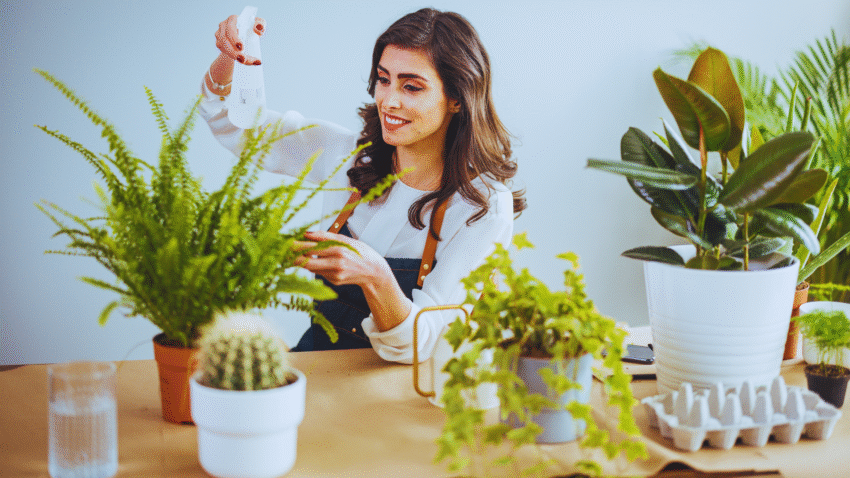
Indoor plants bring life and vibrancy into any space, making them a popular choice for homes and offices alike. The best indoor plants not only enhance the aesthetic appeal but also improve air quality and require minimal maintenance. From striking succulents to lush ferns, selecting the right houseplants can transform an environment.
Not every plant thrives indoors, so knowing which ones excel in typical indoor conditions is essential. Low-light environments, humidity levels, and temperature fluctuate throughout the year, influencing plant health. Choosing the best plants for indoor settings ensures long-lasting beauty and ease of care.
Many enjoy the mental health benefits associated with nurturing indoor greenery. Beyond their visual charm, houseplants can reduce stress and boost productivity. Exploring the top indoor plants can help anyone find the perfect additions to their living or work space.
Top Indoor Plants for Every Home
Selecting the right indoor plants can greatly enhance living spaces while improving air quality. Different varieties cater to various needs such as ease of care, aesthetic appeal, and adaptability to light conditions.
Best Plants for Beginners
For those new to indoor gardening, choosing low-maintenance plants is essential. Pothos is a favorite due to its resilient nature, thriving in a variety of light conditions. Spider plants (Chlorophytum comosum) are also easy to care for, featuring arching green and white striped leaves.
Philodendron offers a delightful range of varieties, each requiring minimal attention. Aloe vera, known for its medicinal properties, needs bright light but is forgiving if occasionally neglected. Lastly, ZZ plants are nearly indestructible, making them perfect for busy individuals.
Air-Purifying Choices
Air quality enhancement is a significant benefit of indoor plants. The Peace Lily excels in purifying air by removing toxins like formaldehyde and benzene. It blossoms with beautiful white flowers, providing both aesthetic and functional value.
Chinese Evergreen (Aglaonema) is another excellent choice, known for its robust nature and ability to thrive in low light. Rubber plants (Ficus elastica) can grow quite large and also filter out harmful chemicals.
In addition, Fern varieties, such as Boston fern, effectively remove indoor pollutants, making them suitable for homes with pets or kids.
Low-Light Favorites
Low-light environments can be challenging for many plants, but some thrive under these conditions. The Snake Plant is exceptionally adaptable and can survive in dimly lit rooms. It also releases oxygen at night, which is a unique benefit.
Monstera deliciosa, with its iconic split leaves, can tolerate lower light, although it prefers indirect sunlight. Additionally, the Ponytail Palm is a striking option that thrives in minimal light while requiring little water.
Prayer plants (Maranta) add a unique touch with their patterned leaves and can flourish in shade, making them ideal for bedrooms or office spaces.
Striking and Unique Options
For those looking to make a statement, Calathea offers vibrant, patterned leaves with vivid colors. Each variety has unique leaf patterns that can add an artistic flair to any space.
Anthurium is another striking plant, recognized for its glossy, heart-shaped flowers. It’s a great option to add splashes of red or pink to indoor decor.
Lastly, the fascinating Dieffenbachia, or dumb cane, captivates with its large, patterned leaves. It requires moderate light and is often a centerpiece in living rooms or large spaces, drawing attention with its size and beauty.
Essential Indoor Plant Care Tips
Proper indoor plant care involves understanding lighting, watering, and soil requirements. Each of these factors plays a crucial role in the health and growth of various indoor plants, including succulents, Calathea, and low-light species.
Lighting Requirements
Lighting is fundamental for indoor plants. Each plant has specific light needs, which can impact its growth.
- Low-light plants, such as Fittonia spp. and Peperomia spp., thrive in indirect sunlight.
- Bright but indirect light is ideal for plants like Philodendron and Anthurium.
- Direct light suits succulents, but too much can scorch leaves.
Monitoring light levels is crucial. If the leaves yellow or stretch, the plant may need more light. Conversely, brown tips may indicate too much direct sunlight.
Watering and Drainage Techniques
Watering practices vary significantly between plant types. Overwatering is a common issue that can lead to root rot.
- Check the soil moisture: For most indoor plants, allowing the top inch of soil to dry out is ideal before watering.
- Use pots with drainage holes: This prevents water accumulation and promotes healthy root systems.
Succulents require infrequent watering, while plants like Calathea prefer consistently moist soil. A simple technique is to use the “soak and dry” method, ensuring roots receive adequate moisture without saturation.
Soil and Potting Considerations
The right soil and pot choice is vital for plant health. Different species have varying soil needs.
- Well-draining soil is necessary for succulents to avoid waterlogging.
- Calathea prefers a rich, moisture-retaining mix, while Philodendron thrives in a balanced potting mix.
When potting, ensure the container size is appropriate. A pot too large can retain excess moisture, leading to root problems. Conversely, a pot that is too small may stunt growth. Regularly repotting every 1-2 years can refresh the soil and provide more space for roots.
Dealing with Ants, Bees, and Other Indoor Pests
Even well-cared-for indoor plants can attract pests, and it’s important to monitor for their presence to keep plants healthy and safe. Common pests include ants, bees, and small insects like aphids or spider mites.
- Bees: Indoor flowering plants or herbs can attract bees, which act as natural pollinators. While a few bees are generally harmless, an excessive number, especially near children or pets, can pose risks. In such cases, it is safest to contact professionals, such as a licensed bee exterminator Phoenix, or elsewhere, to relocate them safely without harming the colony.
- Ants: Ants are often drawn to houseplants due to moisture in the soil or the presence of aphids, which produce a sweet substance that ants feed on. A few ants are usually harmless, but large numbers can disturb plants and indoor spaces. Control methods include removing visible ants, cleaning the soil surface, and using natural deterrents such as cinnamon or diatomaceous earth. Persistent infestations may require professional Pest Control services. These services can be incredibly beneficial in ensuring that these ants do not reappear. Through well selected treatments by these professionals, you can keep your home safe from ants.
- Other pests: Aphids, spider mites, and fungus gnats can also appear in indoor plants, especially if the environment is humid or overwatered. Regular inspection of leaves and soil, maintaining proper watering practices, and keeping the surrounding area clean can prevent infestations.
Monitoring indoor plants regularly for pests and taking timely action ensures that the plants remain healthy while maintaining a safe environment for people and pets.
Decor and Styling with Houseplants
Incorporating houseplants into home decor enhances aesthetics and promotes a calming environment. Thoughtful placement and variety in types and sizes can maximize the impact of indoor greenery.
Placing Plants for Maximum Impact
Strategic placement of plants can elevate interior design. Large plants like a rubber tree may serve as focal points, ideal for empty corners or near windows. Their height draws the eye upward, creating a sense of spaciousness.
Smaller plants, such as spider plants and peperomia, work well on shelves, tables, or window sills. Grouping these creates visual interest. Use varying heights and textures to add depth.
Consider lighting needs when placing plants. For instance, spider plants thrive in indirect light, while rubber trees prefer brighter spaces. Assessing these needs ensures health and longevity, contributing to the overall decor.
Mixing Plant Types and Sizes
Diverse plant types and sizes can create a dynamic look. Pairing tall plants with trailing varieties results in an appealing contrast. For example, a rubber tree can be complemented by the cascading leaves of a pothos.
Incorporating textures is also important. Glossy leaves of a rubber tree can harmonize with the softer, matte foliage of a peperomia. This textural variety adds richness to any room.
When selecting pots, choose a range of materials and colors. Terra cotta, ceramic, and woven baskets can tie the room together or create a playful contrast. Consistency in pot size within groups can strengthen visual coherence.