
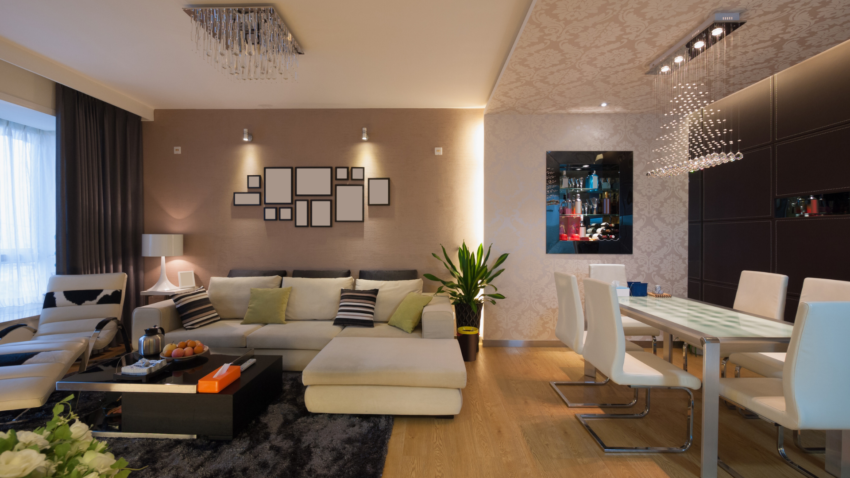
Refreshing your home’s interior doesn’t require a full renovation or a large budget. Simple changes such as updating colors, rearranging furniture, and adding new textiles can quickly transform the look and feel of any room. These practical steps create a fresh atmosphere without overwhelming effort.
Lighting adjustments and incorporating natural elements also enhance interiors effectively. Small updates like swapping light fixtures or adding plants bring more life and brightness to your space, making it more inviting and comfortable.
Understanding which updates have the biggest impact helps avoid unnecessary work. This guide will focus on straightforward improvements that deliver noticeable results, helping you refresh your home efficiently and thoughtfully.
Understanding Interior Refresh Fundamentals
Refreshing your home involves practical steps that improve comfort, aesthetics, and function. Knowing how to evaluate your current space, the advantages of updating interiors, and managing costs will help the process run smoothly.
Benefits of Updating Home Interiors
Updating interiors enhances both the look and functionality of a home. Fresh paint, new furniture, or updated lighting can make spaces feel larger and more inviting. These changes can also improve mood and productivity.
A refresh often increases a home’s market value by making it more appealing to potential buyers. It can also address wear and tear, preventing issues like outdated wiring or worn floors. Small updates tend to have a high impact, such as new cabinet hardware or modern window treatments.
Effective interior updates balance style with practical improvements. This approach ensures your space remains functional and comfortable for daily living.
How to Assess Your Current Space
Start by identifying areas that feel cluttered, outdated, or impractical. Walk through each room and note what works and what doesn’t. Consider traffic flow, lighting, and furniture arrangement.
Take photos and make a list of problem spots, such as insufficient storage or dull colors. Ask yourself if the space meets your daily needs or if improvements could enhance usability.
Measure rooms and furniture to understand scale limitations. This helps avoid buying pieces that are too large or too small. Visualizing potential changes on paper or with room design apps can clarify priorities before spending money.
Budgeting for a Home Refresh
Create a clear budget tailored to your goals and financial limits. List desired updates and research the average costs for materials and labor.
Break the budget into categories like paint, furniture, lighting, and décor. Allocate extra funds for unexpected expenses or upgrades during the process.
Consider prioritizing easy, low-cost changes first, such as repainting walls or swapping accessories. More expensive projects, like flooring or built-ins, should fit within the overall spending plan.
Using a spreadsheet or budgeting app helps track expenses and keep spending aligned with your plan. This control prevents overspending and ensures focused investment where it matters most.
Updating Color Schemes
Refreshing a home’s interior often starts with reconsidering color choices. Selecting the right tones, using accent walls properly, and coordinating palettes can transform spaces efficiently and thoughtfully.
Choosing Modern Paint Colors
Modern paint trends focus on muted, earthy hues and clean neutrals that create calm and versatile backdrops. Popular choices include shades like soft greige, muted olive, and deep navy. These colors work well in most rooms and pair easily with a variety of styles.
Lighter tones such as off-white or pastel blues brighten spaces and make rooms feel more open. Meanwhile, deeper shades provide depth and sophistication. When picking colors, consider natural light levels and existing furniture to ensure harmony.
Accent Wall Techniques
Accent walls introduce contrast and highlight architectural features without overwhelming a room. Use bold or darker colors on one wall to create focal points, especially behind beds, sofas, or fireplaces.
Texture can enhance accent walls through materials like wood panels or wallpaper with geometric patterns. This approach adds dimension and interest beyond color alone. Positioning is key: avoid accent walls in small rooms where they might visually shrink the space.
Coordinating Color Palettes
Coordinate colors by balancing primary shades with complementary and neutral tones. Use the 60-30-10 rule: 60% dominant color, 30% secondary, and 10% accent. This ratio maintains visual cohesion without monotony.
Test samples together before committing, as lighting affects how colors interact. Tools like digital palette generators can assist in pinpointing combinations with harmony. Keep in mind the function of each room since some colors impact mood and activity levels.
Furniture Rearrangement and Selection
Changing furniture layout can redefine a room’s function and flow. Choosing the right pieces ensures both style and practicality.
Optimal Furniture Placement
Place furniture to maximize space and encourage movement. For example, avoid blocking natural light sources or doorways.
Group seating to promote conversation, keeping chairs and sofas within easy reach but not crowded. Leave clear pathways at least 30 inches wide.
Use rugs to anchor seating areas and define zones. Position larger items like beds or sofas against walls when possible.
Consider focal points such as fireplaces, TVs, or windows. Arrange furniture to face these features for a balanced look and enhanced comfort.
Selecting Multi-Functional Furniture
Opt for pieces that serve more than one purpose to save space and increase usability. Examples include storage ottomans, sleeper sofas, and fold-out desks.
Choose furniture with built-in storage, like beds with drawers underneath or coffee tables with shelving. This helps reduce clutter.
Select items that can be easily moved or adapted for different uses, such as nesting tables or modular sofas.
Prioritize durability and neutral colors for versatility. Multi-functional furniture should blend seamlessly with existing décor.
Incorporating Lighting Solutions
Lighting plays a crucial role in enhancing the atmosphere and functionality of any room. Effective lighting can improve mood, highlight design elements, and add depth to spaces.
Layered Lighting Strategies
Layered lighting combines ambient, task, and accent lighting to create a versatile and balanced environment. Ambient lighting provides general illumination, such as recessed ceiling lights or flush mounts. Task lighting focuses on specific activities, like reading or cooking, using desk lamps or under-cabinet lights.
Accent lighting highlights artwork, textured walls, or architectural features. Using dimmers allows control over light intensity, adapting the mood from bright and functional to soft and relaxing. Consider the positioning and color temperature of each layer to avoid harsh shadows and ensure visual comfort throughout the room.
Choosing Fixtures to Suit Your Style
Selecting light fixtures should align with the room’s decor and your personal taste. Modern interiors often benefit from sleek, minimalistic fixtures with clean lines, such as pendant lights with metal finishes. Traditional spaces may call for chandeliers or fixtures with ornate details and warm tones.
Materials and colors impact ambiance: glass and chrome reflect light, while wood and fabric diffuse it softly. Scale matters—large fixtures dominate a room, while smaller ones provide subtle accents. Match fixture size and style to ceiling height and room proportions for balanced visual flow.
Textiles and Soft Furnishings
Updating fabrics and soft furnishings can dramatically alter a room’s atmosphere. Choices in curtains, throws, and pillows influence light, color, and texture, directly shaping the comfort and style of living spaces.
Refreshing with New Curtains
Curtains control natural light and set the tone for the room’s color palette. Opt for lighter fabrics like linen or cotton in neutral shades to brighten spaces and create airiness. For a more dramatic effect, select heavier materials such as velvet or brocade in rich jewel tones.
Consider the curtain length and width; floor-length curtains add height, while wider panels can make windows feel larger. Shifting from patterned to plain or vice versa also changes visual interest immediately. Don’t overlook curtain hardware—modern rods and finials can enhance the overall look subtly.
Using Throws and Pillows for Texture
Throws and pillows introduce layered texture and comfort without permanence. Combine different materials like wool, silk, or faux fur to create variety. For example, a chunky knit throw paired with smooth linen pillows balances coziness and sleekness.
Mix solid colors with patterned accents to add depth. Use a color palette that complements existing furniture to unify the space. Regularly switching these soft furnishings according to season or mood keeps rooms feeling fresh and personalized.
Enhancing Interiors with Accessories
Accessories bring personality and depth to a space. Thoughtful choices in decorative items and wall art can create balance and highlight key areas of a room.
Selecting Decorative Pieces
When choosing decorative pieces, focus on quality over quantity. Select items that complement the room’s color palette and style. For instance, ceramic vases in muted tones work well in minimalist spaces, while bold, patterned cushions suit eclectic rooms.
Mix textures like metal, glass, and fabric to add dimension. Pay attention to scale; avoid oversized objects in small spaces and too-small pieces in large rooms.
Tip: Rotate accessories seasonally to keep the interior feeling fresh without a full redesign.
Gallery Walls and Artwork
Gallery walls are an effective way to personalize and add visual interest. Arrange frames in a cohesive layout with consistent frame styles or colors to maintain unity.
Consider mixing photographs, prints, and paintings. Position art at eye level, usually around 57-60 inches from the floor, for optimal viewing.
Using a mix of frame sizes can create dynamic compositions without clutter. Start with a central piece and build outward symmetrically or asymmetrically, depending on the desired effect.
Integrating Natural Elements
Bringing nature indoors can significantly enhance the atmosphere of a home. Using living plants and organic materials introduces texture, color, and air quality benefits without requiring major renovations.
Adding Indoor Plants
Incorporating indoor plants like pothos, snake plants, or peace lilies is an effective way to refresh interiors. These low-maintenance options thrive in various lighting conditions and improve air purification by reducing toxins.
Position plants strategically—in corners, on shelves, or near windows—to add depth and soften sharp architectural lines. Hanging planters and vertical gardens can maximize space in smaller rooms.
Choose pots that complement existing décor, such as ceramics in neutral tones or woven baskets for a natural feel. Regular watering and occasional pruning keep plants healthy and visually appealing.
Utilizing Natural Materials
Natural materials such as wood, stone, rattan, and bamboo lend warmth and authenticity to interior spaces. Introducing these elements through furniture, flooring, or decorative accessories enriches texture and adds visual interest.
For example, a reclaimed wood coffee table or stone countertop provides durability and a tactile surface contrast. Rattan chairs and bamboo blinds introduce lightweight, eco-friendly options that maintain a casual aesthetic.
When selecting natural materials, prioritize quality finishes to ensure longevity and resistance to wear. Incorporate these materials in combination with neutral colors to keep spaces balanced and inviting.
Organizational Solutions
An effective organization enhances both function and aesthetics in a home. Using practical storage and decluttering methods can create a sense of order without sacrificing style or space.
Smart Storage Ideas
Maximize vertical space with tall shelving units or wall-mounted cabinets. Clear storage bins help identify contents quickly, reducing time spent searching. Using multi-functional furniture, like ottomans with hidden compartments or beds with drawers, adds extra storage without clutter.
Label containers clearly and group similar items together to streamline access. Consider drawer dividers for small items such as office supplies or kitchen utensils to maintain tidiness. Seasonal rotation of items in concealed storage can free up everyday-access spaces.
Decluttering Techniques
Start by categorizing belongings into keep, donate, and discard piles. Use the “one in, one out” rule to prevent accumulation—discard or donate an old item when acquiring a new one. Regularly schedule short decluttering sessions, focusing on one room at a time for better management.
Digitize documents and photos to reduce paper clutter. For sentimental items, limit displays and store the rest in labeled boxes. Avoid dumping everything into a single container; instead, dedicate specific spots for different types of belongings to maintain lasting order.
Refreshing Floors and Rugs
Floors and rugs significantly impact a room’s atmosphere and comfort. Properly selected and maintained, they enhance aesthetics and durability while complementing other interior elements.
Choosing Area Rugs
Area rugs define spaces and add texture. Select rugs based on room size, furniture placement, and traffic flow. For high-traffic areas, opt for durable materials like wool or synthetic fibers. These resist wear and stains better than delicate options.
Patterns and colors should balance the room’s palette. Neutral rugs work for busy décor, while bold patterns can anchor simpler spaces. Measure carefully to ensure rugs fit well under key furniture, typically extending 18-24 inches beyond sofas or beds for cohesion.
Cleaning ease is key. Look for rugs that handle spot cleaning or machine washing. Consider rug pads to prevent slipping and extend lifespan by reducing friction with floors.
Updating Flooring Finishes
Refinishing hardwood floors revives their natural beauty. Sanding removes surface damage, while applying stains or water-based sealants provides protection and color customization. This process can extend hardwood life by decades.
For tile or laminate, cleaning and recoating grout lines refreshes the appearance. Use sealants to prevent staining and moisture damage. Matte finishes hide scratches better, while gloss finishes enhance light reflection in dark rooms.
Vinyl and engineered flooring benefit from thorough cleaning and occasional polishing. Replace damaged sections rather than entire floors to manage costs. Regular upkeep preserves the finish and prevents premature replacement.
Personalizing with DIY Projects
DIY projects offer a practical and affordable way to add character to home interiors. Customizing decorations or furniture allows for unique touches that reflect personal style without high costs.
Simple projects like repainting old furniture or creating wall art can transform a space quickly. Materials such as stencils, paint, and fabric can be easily sourced from local stores or online.
Here are some popular DIY ideas:
| Project | Description | Difficulty |
| Painted Accent Wall | Use painter’s tape to create geometric patterns | Easy |
| Custom Shelving | Build and paint shelves for added storage | Medium |
| Decorative Pillows | Sew or glue fabric patterns onto pillows | Easy |
Using tools like a hot glue gun, paintbrushes, and basic hand tools can complete most projects. Prioritize safety by following instructions and using protective gear.
Personal involvement in DIY projects enhances satisfaction and helps create a space that feels truly yours. Experimenting with colors, textures, and layouts can lead to unexpected but effective results.
Sustainable and Eco-Friendly Refresh Ideas
Refreshing your home with sustainability in mind can reduce waste and lower your environmental impact. Start by choosing non-toxic, low-VOC paints. These improve indoor air quality and are safer for your family.
Upcycling old furniture is a practical way to add character and save resources. Simple fixes like sanding and repainting can extend the life of items instead of buying new ones. Materials like reclaimed wood or bamboo provide eco-friendly options for new furniture.
Incorporate energy-efficient lighting such as LED bulbs. These last longer and use less power than traditional bulbs. Switching to smart lighting systems can further reduce energy usage by controlling when lights are on.
Using natural fabrics for curtains, rugs, and upholstery helps avoid synthetic materials that can off-gas harmful chemicals. Cotton, linen, and wool are good choices because they are biodegradable and durable.
| Eco-Friendly Refresh Ideas | Benefits |
| Low-VOC Paints | Better indoor air quality |
| Upcycled/Reclaimed Furniture | Resource-saving, unique style |
| LED and Smart Lighting | Lower energy consumption |
| Natural Fabrics (Cotton, Wool) | Non-toxic, biodegradable |
Adding plants improves air quality naturally and adds life to interiors. Choose varieties that thrive indoors with minimal care. Sustainable interior refreshes are achievable with mindful material and product choices.
Seasonal and Trend-Inspired Interior Updates
Updating home interiors to reflect the seasons is a practical way to refresh any space. Swap out heavy drapes for lighter fabrics in spring and summer to enhance natural light. In fall and winter, introduce cozy textures like wool throws and velvet cushions to add warmth.
Trends can inspire subtle changes without a full renovation. For 2026, popular colors include muted earth tones and soft pastels. Incorporate these shades through accessories like pillows, rugs, or art.
Use this table for quick seasonal swaps:
| Season | Textiles | Colors | Accessories |
| Spring | Linen, cotton | Soft pastels | Fresh flowers, light curtains |
| Summer | Lightweight blends | Whites, blues | Rattan furniture, plants |
| Fall | Velvet, wool | Earth tones | Candles, throw blankets |
| Winter | Fleece, faux fur | Dark greens, grays | Warm lighting, textured rugs |
Small, trend-inspired changes can make a noticeable difference. Consider updating hardware in kitchens or bathrooms to matte black or brass, which remains popular. Art and decorative objects also offer a low-commitment way to stay current.
Remember, blending seasonal elements with your personal style keeps interiors both fresh and comfortable.