
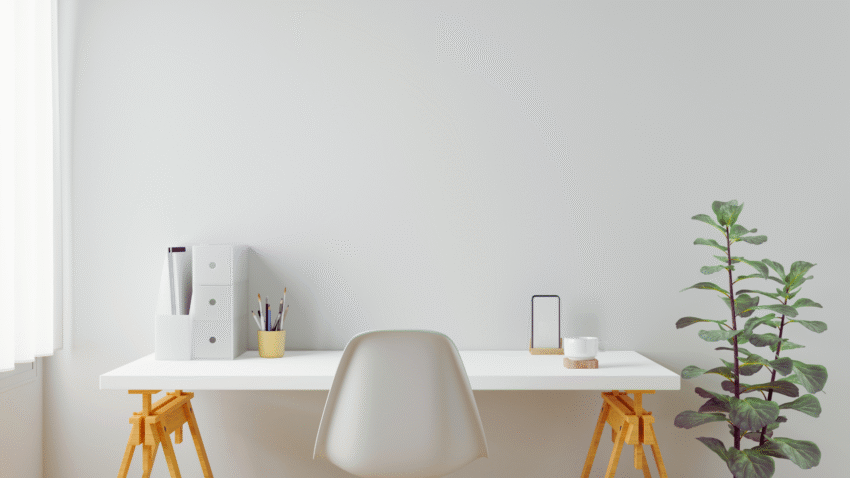
Creating a serene and functional living space is essential for growing families. Minimalist home decor can simplify daily life while providing an aesthetically pleasing environment that supports family activities. By prioritizing essential items and creating open spaces, families can make their homes more enjoyable and less cluttered.
Practical solutions exist for maintaining a minimalist style, even as needs evolve. Integrating multi-functional furniture, such as storage ottomans or expandable dining tables, can help accommodate both adults and children. Thoughtful color palettes and simple decor choices can foster a calm atmosphere, allowing family life to thrive.
Families can also embrace natural light and open layouts to enhance their homes. Incorporating plants and using materials like wood or linen can create warmth without overwhelming the space. With these mindful approaches, families can cultivate a minimalist home that reflects their dynamics and adapts as they grow.
Core Principles of Minimalist Home Decor for Families
A minimalist approach to home decor can significantly improve the quality of life for growing families. It emphasizes simplicity while ensuring that spaces remain functional and inviting.
Understanding Minimalism in Family Spaces
Minimalism focuses on removing excess and embracing simplicity. In family spaces, this means choosing furniture and decor that serve multiple purposes. For instance, a sofa bed can provide seating during the day and a comfortable sleeping space for guests.
Creating open and clutter-free areas allows families to engage in activities without distractions. Using neutral color palettes enhances tranquility, while incorporating personal touches ensures the space feels lived-in. Families can also utilize storage solutions, like under-bed drawers or built-in cabinets, to keep possessions organized.
Kitchens are often the busiest areas in a family home and require smart storage choices. Built-in cupboards and drawers help keep countertops clear of daily clutter. Homeowners who want to update these spaces can benefit from a detailed kitchen cabinet buying guide to understand their options. This resource explains different materials and construction styles that fit a minimalist look. Selecting the right setup makes it easier to maintain a clean and organized home over time.
Balancing Functionality and Aesthetics
In minimalist decor, functionality should never be sacrificed for aesthetics. Families need practical furniture that adapts to their changing needs. For example, a sturdy dining table can accommodate family gatherings and act as a workspace for school projects.
Decorative items should be carefully selected for both beauty and utility. Multi-use objects, like stylish baskets for toys, help maintain order without compromising design. Families can particularly benefit from modular furniture that can be reconfigured as children grow.
Incorporating elements like greenery can enhance the atmosphere, adding a splash of color without overwhelming the space. Balancing these factors ensures a harmonious environment tailored to family life.
Designing Open and Flexible Living Areas
Creating open and flexible living areas is essential for families to thrive in their homes. Efficient use of space can foster interaction and adaptability, accommodating the dynamic needs of growing families.
Maximizing Open Space in Shared Rooms
Maximizing open space requires careful consideration of furniture placement and functionality. Using multifunctional furniture is key. Examples include sofas that convert to beds or coffee tables with storage.
To further enhance the sense of openness in shared rooms, homeowners can also consider design features that increase the flow of natural light throughout the space. For example, daylighting solutions offered by Sunsquare US can help brighten interior areas, making rooms feel larger, more welcoming, and visually connected to the outdoors. Combined with space-saving furniture and thoughtful layouts, increased natural light can contribute to a more comfortable and functional living environment.
Incorporating light colors on walls and furniture can enhance the perception of space. Large windows or glass doors invite natural light and connect indoor and outdoor areas. Decluttering is crucial. Families can achieve this by regularly evaluating items and retaining only what serves a purpose or brings joy. Organizing with built-in storage solutions, like shelves and cabinets, can also reduce visual clutter.
Adaptable Layouts for Growing Families
Adaptable layouts allow for easy reconfiguration as family needs evolve. Open floor plans facilitate flow between living, dining, and kitchen areas.
Zone areas within the space to create designated functions. For instance, a corner can serve as a play area while another functions as a study zone. Use room dividers, such as screens or bookshelves, to establish boundaries without closing off the area.
Regularly reassessing furniture arrangements can optimize the layout as children grow. Investing in modular furniture can provide versatility, adjusting to various activities and needs, ensuring the space remains functional for everyone.
Incorporating Natural Materials and Durable Elements
Using natural materials and durable elements can enhance the aesthetics and functionality of a minimalist home, especially for growing families. These choices not only create a warm and inviting atmosphere but also ensure longevity and sustainability in the living environment.
Selecting Family-Friendly, Sustainable Materials
Families seeking to use natural materials should focus on those that are both eco-friendly and safe for children. Bamboo is a popular choice due to its rapid growth and strength. It makes excellent furniture and flooring options.
Cork is another sustainable material, offering soft, resilient surfaces ideal for play areas. Additionally, reclaimed wood can add character and history to the space, reducing waste and promoting recycling.
Other options include organic cotton for textiles and wool for carpets, which are not only durable but also non-toxic and hypoallergenic. Opting for materials with low VOC emissions ensures better indoor air quality, essential for growing families.
For flooring, families often seek solutions that combine aesthetics with practical benefits. Modern vinyl flooring offers an excellent alternative, providing the realistic look of wood or stone without the maintenance challenges. Its waterproof and scratch-resistant properties make it ideal for high-traffic areas and homes with children or pets. Moreover, many premium vinyl options are designed with low VOCs, contributing to healthier indoor air quality while offering long-lasting durability and style.
Blending Comfort, Durability, and Minimalist Style
To maintain a minimalist style while ensuring comfort, focus on simple designs and functional furnishings. Furniture made from solid wood or metal can provide durability without excessive ornamentation.
Choose neutral color palettes that promote tranquility, complemented with natural textures. Soft furnishings, like linen cushions or cotton throws, can enhance comfort without crowding the space.
Incorporating plants also brings life to minimalist homes. They purify the air and add a natural element without overwhelming the decor.
Each material should reflect a commitment to comfort and longevity, maintaining a balance between functionality and aesthetic appeal, making it possible to create a nurturing environment for family life.
Maintaining Simplicity and Quality of Life Over Time
Sustaining a minimalist approach while managing a growing family requires intentional strategies. Prioritizing a clutter-free environment can greatly enhance the quality of life for everyone involved. Engaging children in this process can also create lasting habits that support minimalism as the family evolves.
Decluttering Strategies for Busy Families
Families can benefit from structured decluttering practices to uphold a minimalist lifestyle. Setting a regular schedule for decluttering sessions helps prevent accumulation. For example, families can dedicate the first weekend of each month to this task.
Creating categories for items can streamline decision-making. Use labels such as “keep,” “donate,” and “discard.” This not only simplifies the process but also teaches children about responsible possessions.
Establishing a one-in, one-out rule can further maintain simplicity. For every new item brought into the home, an old item should be removed. This practical approach not only keeps clutter at bay but also reinforces the value of quality over quantity.
While decluttering helps reduce everyday buildup, larger or longer-kept belongings often require additional consideration. So, whenever possible, functional pieces can be donated to charities or passed on to friends who may find better use for them.
However, certain items with sentimental value or those that cannot be donated immediately may require a temporary solution. In such cases, exploring self-storage options can be helpful. Searching online for local storage providers to contact can often make it easier to find a reputable service, offering practical support in keeping the home organised while preserving meaningful possessions.
Involving Children in Maintaining Minimalist Habits
Incorporating children into the minimalist journey fosters a shared sense of responsibility. By explaining the benefits of a clutter-free space, children can develop an understanding of minimalism early on.
Creating engaging activities, like a personalized decluttering game, can motivate children. They can earn small rewards for clearing out toys they no longer play with. This makes the process enjoyable and productive.
Teaching children to value experiences over material possessions can also be effective. Regular discussions about what brings joy, like family outings versus new toys, helps them grasp minimalism’s core principles.
Open communication about needs and wants aids in maintaining a minimalist lifestyle. Encouraging children to express their feelings about belongings can foster appreciation and mindfulness regarding what they choose to keep.