
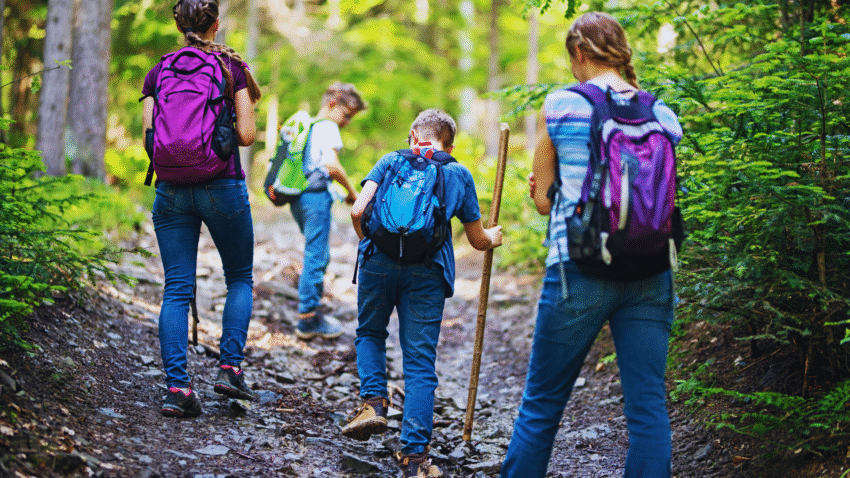
Finding the right hiking trails for families can turn a routine outing into a delightful adventure. Kid-friendly trails often feature shorter distances, gentle terrain, and interactive elements that engage children, making hiking enjoyable for all ages. Exploring the outdoors together not only promotes physical activity but also fosters a love for nature in young explorers.
Families will discover that many parks offer designated trails that cater specifically to younger hikers. These paths often include scenic views, opportunities for wildlife observation, and educational signs that spark curiosity. By choosing trails that appeal to children, families can create lasting memories while teaching valuable lessons about the environment.
Before setting out, it is vital to consider the age and ability level of children to ensure everyone feels comfortable and safe during the hike. It is also helpful to pack essentials like snacks and water, making the journey more enjoyable. Engaging with children about the sights and sounds of nature will enhance their experience and deepen their appreciation for the outdoors.
Choosing the Best Kid-Friendly Hiking Trails
Selecting kid-friendly hiking trails requires attention to various factors that ensure safety, enjoyment, and accessibility for the entire family. Key features, trail safety, and facility access play significant roles in making the hike enjoyable for young adventurers.
Key Features of Family-Friendly Trails
When evaluating trails suitable for children, look for specific characteristics. Shorter distances are ideal, typically around 1 to 3 miles, allowing for manageable walks.
Gentle terrain helps reduce fatigue. Trails that are well-maintained with minimal obstacles enhance the hiking experience. Look for paths that offer interesting scenery, such as streams, colorful plants, or wildlife spotting opportunities, to keep children engaged. Consider the trail’s variety, with options to rest or explore offshoots.
Importance of Trail Markers and Safety Measures
Trail markers are essential for guiding families through hiking paths. Marked trails indicate the route, preventing confusion and enhancing safety. Color-coded markers help distinguish trail difficulty levels and facilitate navigation.
Families should look for trails with safety features, such as fencing near steep drop-offs or hazardous areas. First-aid kits may also be available at trailhead stations. It is wise to check for local alerts or conditions, such as weather changes or wildlife interactions.
Access to Facilities: Car Park, Restrooms, and Picnic Areas
Accessibility is crucial for a family-friendly hiking experience. Trailheads should feature a designated car park for easy access. Adequate parking space allows families to unload gear and settle in without hassle.
Restrooms are important for children, aiding in comfort and hygiene during hikes. Locations with nearby restroom facilities reduce the risk of distractions or emergencies.
Picnic areas enhance the hiking experience. They offer a place to relax, eat, and recharge before or after hitting the trail. Families can enjoy lunch surrounded by nature, making their outing more enjoyable.
Top Destinations for Family Hiking Adventures
Families looking for memorable hiking experiences can explore diverse landscapes, including national parks, lakeside trails, and urban areas. Each environment offers unique features that cater to children and adults alike.
Exploring National Park Experiences
National parks provide a wealth of hiking opportunities. For example, Yosemite National Park in California features the Yosemite Valley Loop, a relatively easy trail that spans 11.5 miles, perfect for families.
Another excellent option is the Great Smoky Mountains National Park, with trails like the Laurel Falls Trail. This 2.6-mile round trip offers a gentle hike leading to a stunning waterfall, making it a rewarding adventure for kids.
Families can also enjoy Zion National Park, where the Riverside Walk offers flat terrain and scenic views of the towering cliffs. Paths in these parks are generally well-marked, and children can learn about nature along the way.
Popular Lakeside Trails for Kids
Lakeside trails offer stunning vistas and calming watersides. Lake Tahoe, straddling California and Nevada, features the Eagle Lake Trail, a moderate 2-mile hike that rewards families with breathtaking lake views.
In Minnesota, the Chain of Lakes in Minneapolis provides an accessible 3.5-mile loop around several scenic bodies of water. Play areas along the way make it ideal for shorter family outings.
Smith Mountain Lake State Park in Virginia offers the heartwarming Smith Mountain Lake Loop, perfect for family hikes. The trail allows children to experience wildlife while enjoying soft, sandy shores.
Urban and Suburban Family Trail Options
Urban and suburban areas often contain hidden gem trails. In New York City, the High Line offers an elevated walking path with gardens and art installations. It’s stroller-friendly and a great way to introduce children to urban hiking.
Chicago features the Lakefront Trail, an 18.5-mile scenic route with views of the skyline and the beach. Families can choose shorter segments for a more manageable experience.
Parks in suburban areas, such as Boulder, Colorado, offer trails like the Flatirons, where families can explore nature without venturing too far from home. This combination of urban access and natural beauty is great for fostering a love of the outdoors in children.
Essential Tips for Hiking With Kids
Hiking with kids requires thoughtful planning and preparation. Making the experience enjoyable and safe ensures that family outings become cherished memories. Here are strategies to enhance the hiking experience for families.
Planning and Preparation for Family Outings
Before heading out, selecting a suitable trail is crucial. Families should opt for kid-friendly hiking trails that are not too long or strenuous. Consider trails with interesting landmarks, such as waterfalls or scenic views.
Packing essential supplies can make a significant difference. Here’s a list of essentials to bring along:
- Water: Ensure everyone stays hydrated.
- Snacks: Bring energy-boosting items like trail mix, fruits, or granola bars.
- First Aid Kit: Have basic supplies for minor injuries.
- Weather-Appropriate Clothing: Dress in layers to adapt to changing temperatures.
Finally, reviewing the trail and what to expect can create excitement and help kids feel prepared.
Encouraging Kids to Enjoy Hiking
To foster a love for hiking, it’s beneficial to make the experience interactive. Parents can turn the hike into an adventure with games or scavenger hunts. For instance, kids can find specific leaves, rocks, or animals along the way.
Incorporating breaks can also enhance enjoyment. Frequent stops to rest, snack, or explore surroundings help maintain energy levels. Allow kids to lead the way at times, giving them a sense of control.
Additionally, sharing stories about nature boosts engagement. Discussing the significance of local wildlife and plants can turn a simple hike into a learning experience.
Safety Considerations and Emergency Readiness
Safety should always be a priority when hiking with kids. Parents must educate children on basic trail rules and the importance of staying together.
Carrying a map or using a GPS device ensures navigation remains accurate. In case of emergencies, children should know how to communicate their location and who to contact.
Parents should also identify potential hazards like steep drop-offs or unstable terrain. First aid preparedness is crucial, making it important to know how to handle injuries or emergencies. Keeping a whistle handy can help in case someone wanders too far.
Fun Activities and Nature Exploration Along the Trail
Families can engage in a variety of fun and educational activities while hiking. From observing local wildlife to playing games and enjoying water activities, these experiences enhance the enjoyment of nature. Here are some specific activities to consider during hikes.
Spotting Wildlife and Learning About Nature
One of the most exciting aspects of hiking is the opportunity to spot wildlife. Parents can equip their children with binoculars to get a closer look at birds, squirrels, and other animals.
Creating a wildlife checklist may help children stay engaged. This list can include sightings of different species, such as:
- Birds: robins, sparrows, and woodpeckers
- Mammals: deer, rabbits, and raccoons
- Insects: butterflies, ladybugs, and dragonflies
In addition to spotting animals, families can discuss the habitats and behaviors of these creatures. Learning about local flora, such as identifying trees and plants, can also enhance the hiking experience.
Water Activities: Swimming and Stream Play
Many family-friendly trails feature streams or lakes ideal for water-based fun. Finding a clear, shallow area allows kids to safely wade in and explore.
Families can bring along:
- Swim gear: life jackets, water shoes, and towels
- Toys: inflatable rings, nets, and buckets for collecting small creatures
Activities like splashing in the water, building small dams with rocks, or simply enjoying a picnic by the shore can make the hike memorable. Always prioritize safety by supervising children closely while they play near water.
Family Games and Educational Experiences
Incorporating games into hiking helps maintain enthusiasm. Simple activities such as nature scavenger hunts can be tailored to different age groups.
Families can create a list of items to find, such as:
- Leaf types: maple, oak, pine
- Natural items: rocks, flowers, and feathers
Educating children about the ecosystem while conducting these hunts can stimulate interest. Another option includes storytelling. Parents can encourage kids to make up stories based on the scenery around them.
These interactive experiences foster a deeper connection with nature while promoting teamwork and creativity.