
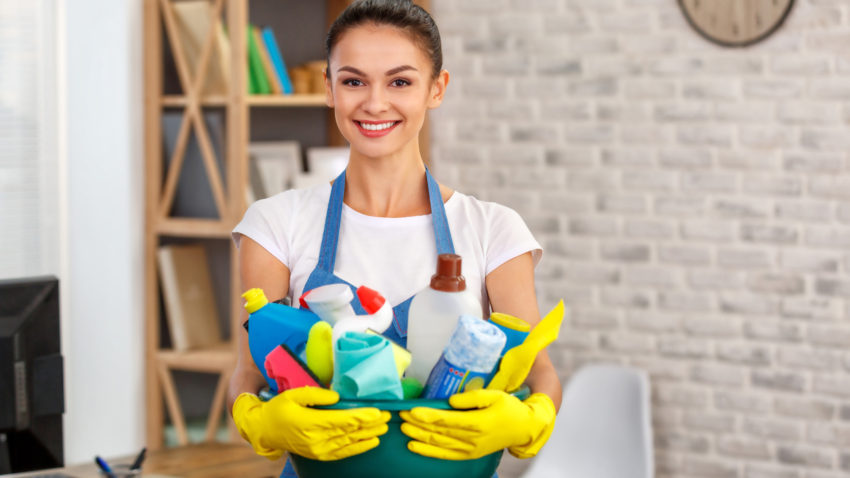
Choosing the right tools can make home cleaning faster, easier, and more effective. The best home cleaning tools are those designed for specific tasks like microfiber cloths for dusting, a sturdy vacuum for floors, and a reliable mop for hard surfaces. Using these basics ensures thorough cleaning without wasting effort.
Quality and versatility matter when selecting tools, so it’s important to pick items that work well in multiple areas. Investing in good equipment pays off with better results and less frustration during cleaning.
This guide covers essential tools that suit various cleaning needs and budgets. Understanding their uses will help streamline your routine and keep your home consistently clean.
Essential Cleaning Tools for Every Home
Choosing the right tools can make cleaning faster and more efficient. Tools should be durable, easy to use, and suited for various surfaces.
Microfiber Cloths
Microfiber cloths are highly effective for dusting and wiping surfaces without scratching. Their fine fibers trap dust and dirt, reducing the need for chemicals.
They are reusable and can be washed multiple times, making them cost-effective. Use different colors or sets for various tasks to avoid cross-contamination between the kitchen, bathroom, and living areas.
Microfiber cloths work well on glass, stainless steel, and wood. For best results, use them slightly damp for cleaning and dry for dusting.
Dustpans and Brooms
A sturdy broom and dustpan are essential for quick floor cleanups. Choose a broom with synthetic bristles for durability and effective sweeping on both hardwood and tile floors.
Dustpans with rubber edges improve debris collection by preventing dirt from slipping underneath. A long-handled dustpan helps avoid bending, reducing strain during use.
Regularly cleaning the broom’s bristles enhances its performance. For outdoor use, consider a broom with stiffer bristles to handle rougher surfaces.
Sponges and Scrubbers
Sponges and scrubbers are necessary for tackling tough stains and greasy surfaces, especially in the kitchen and bathroom.
Opt for sponges with a soft side for gentle cleaning and a scrubby side for tougher grime. Replace sponges frequently to prevent bacterial buildup.
Scrubbers with handles or made of durable materials like nylon or stainless steel are ideal for pots, pans, and tiles. Use caution with abrasive scrubbers on delicate surfaces to avoid damage.
Top Floor Cleaning Devices
Effective floor cleaning combines suction power, ease of use, and specialized cleaning methods. Different devices suit various floor types and user preferences, balancing manual control and automation.
Vacuum Cleaners
Vacuum cleaners remain a staple for removing dust, dirt, and debris from carpets and hard floors. Models vary from upright to stick and canister types, each offering strengths like portability or powerful suction.
Key features include adjustable suction for delicate surfaces and HEPA filters for allergen reduction. Cordless options enhance maneuverability but may have shorter run times compared to corded models. Bags or bagless designs affect maintenance; bagless units require regular emptying but avoid ongoing purchases.
Consider attachments for corners, upholstery, and stairs. Weight and noise levels also impact usability, especially in larger homes or multi-level buildings.
Steam Mops
Steam mops clean floors using hot steam that loosens grime and sanitizes surfaces without chemicals. They’re particularly effective on sealed hardwood, tile, and laminate floors.
These devices require filling a water tank and preheating before use. Many models allow variable steam settings to protect sensitive flooring. The steam penetrates dirt and kills bacteria, reducing the need for scrubbing.
Steam mops typically include microfiber pads that attach to the mop head and are machine washable. Avoid use on unsealed wood or vinyl floors prone to moisture damage. They are best for routine maintenance rather than heavy soil removal.
Robot Vacuums
Robot vacuums automate floor cleaning with programmed navigation and suction. Ideal for daily upkeep, they fit under furniture and handle larger areas with minimal user effort.
Advanced models use lasers or cameras for precise mapping and obstacle avoidance. Smart features include scheduled cleaning, app control, and integration with voice assistants.
Battery life ranges from 60 to 120 minutes, with docking stations for automatic recharging. Most robots are suited for low to medium-pile carpets and hard floors, but may struggle with thick rugs or cluttered spaces.
Regular maintenance involves emptying dustbins and cleaning sensors and brushes to maintain performance.
Best Tools for Kitchen Cleaning
Effective kitchen cleaning depends on tools that handle tough grease, delicate surfaces, and frequent use. Choosing the right implements can make scrubbing pots, wiping counters, and cleaning dishes more efficient and hygienic.
Dish Brushes
Dish brushes are essential for removing stuck-on food, especially on pots and pans. Look for brushes with sturdy but non-abrasive bristles that won’t scratch cookware. Handles should be ergonomic to reduce hand strain during scrubbing.
Natural fiber or synthetic brushes with antimicrobial properties help reduce bacteria buildup. Some models have replaceable heads for longer use. A long handle is useful for reaching deep pots and tight spots, while compact designs work well for everyday dishwashing.
Scrubbing Pads
Scrubbing pads vary by material and abrasiveness, important for matching different kitchen surfaces. Heavy-duty pads remove tough grime and baked-on messes on cookware, but avoid using them on non-stick surfaces to prevent damage.
Microfiber or cellulose pads are ideal for counters, sinks, and appliances, as they clean without scratching. Some pads include a soap reservoir, providing continuous cleaning power. Regular replacement is key to maintaining hygiene and effectiveness.
Countertop Wipers
Countertop wipers must be absorbent yet gentle to avoid scratching delicate materials like granite or quartz. Microfiber cloths are highly effective for capturing dirt, grease, and bacteria with just water or mild cleaners.
Look for machine-washable and lint-free options. Textures vary: some have ridges for scrubbing sticky spots, while smooth versions polish and dry surfaces. Keeping several dedicated wipers helps prevent cross-contamination in food prep areas.
Bathroom Cleaning Essentials
Effective bathroom cleaning requires targeted tools tailored to different surfaces and tasks. Using the right equipment makes sanitizing easier and prevents damage to fixtures and grout.
Toilet Brushes
Toilet brushes vary by bristle type and handle design. For thorough cleaning, brushes with stiff, durable bristles are best as they remove tough stains and buildup effectively. Some features have angled heads to reach under the rim easily.
Material matters: plastic handles resist moisture and rust, increasing longevity. Brushes with replaceable heads help maintain hygiene, reducing bacterial growth over time. Avoid wire bristles, which may scratch porcelain.
Storage options like vented holders promote drying, limiting mold and odors. Choose models with long handles for better reach and comfort, preventing hand contact with waste.
Grout Cleaners
Grout collects dirt and mildew, requiring specialized cleaners with exfoliating agents or mild acids like vinegar or oxygen bleach. These break down stains without eroding grout integrity.
Apply with a stiff brush designed for grout lines to maximize contact. Some tools have pointed or narrow bristles to fit tight spaces, enhancing cleaning precision.
For regular maintenance, powdered or gel cleaners offer convenience. Avoid harsh chemicals such as chlorine bleach, which can weaken grout and discolor tiles over time.
Shower Squeegees
Shower squeegees remove water and soap scum, preventing mold and water spots. Silicone blades are flexible and non-abrasive, ideal for glass and tile surfaces.
Look for ergonomic handles that provide a good grip even when wet. Some models include suction cups or magnets for easy storage on shower walls.
Regular use after each shower minimizes cleaning frequency. Squeegees with wide blades cover more surface, reducing effort and time needed to maintain clarity.
Window and Glass Cleaning Solutions
Effective window and glass cleaning requires tools that remove dirt, streaks, and residues without damaging surfaces. Using the right approach improves clarity and reduces labor time.
Squeegees
Squeegees are essential for streak-free glass cleaning. They consist of a rubber blade attached to a handle, designed to pull water and cleaning solution off surfaces evenly.
When selecting a squeegee, consider the blade width—wider blades cover more area but may be harder to control on small windows. A replaceable rubber blade is practical to maintain sharpness over time.
Use a consistent motion, typically top to bottom or side to side, wiping the blade with a cloth after each pass to avoid streaks. Squeegees work well on large windows and shower doors, making cleanup faster and less prone to water spots.
Glass Cleaning Cloths
Glass cleaning cloths are designed to absorb liquid and polish surfaces without scratching or leaving lint. Microfiber cloths are widely recommended due to their fine fibers that trap dust and dirt.
Look for cloths labeled as lint-free and non-abrasive to prevent surface damage. Use separate cloths for applying the cleaner and polishing dry glass.
Dampening the cloth slightly improves cleaning efficiency, but avoid soaking to prevent streaks. Good-quality cleaning cloths offer better durability and can be washed multiple times without losing effectiveness.
Organizing Your Cleaning Supplies
An effective organization helps keep cleaning supplies accessible and extends their usability. Choosing the right methods improves efficiency and safety while reducing clutter. Two key ways to organize are using storage bins and cleaning caddies.
Storage Bins
Storage bins provide a dedicated space for different types of cleaning supplies, helping to prevent spills and confusion. Clear plastic bins work best because they allow you to see contents without opening them. Labeling each bin for categories like “Bathroom Cleaners”, “Floor Care,” and “Glass & Surface” enhances quick identification.
Stackable bins save space and keep items orderly in closets or under sinks. Make sure the bins are sturdy enough to hold heavier products without cracking. Using airtight lids can protect supplies from moisture and accidental leaks. It’s also helpful to keep frequently used items near the top or in a separate, easy-to-reach bin.
Cleaning Caddies
Cleaning caddies are portable organizers designed for ease of transport between rooms. A model with multiple compartments allows separation of tools such as brushes, sprays, and cloths. Comfort and grip stability matter when carrying wet or heavy supplies.
Choose a caddy with sturdy plastic or metal construction for durability. Some come with built-in holders for bottles, preventing tipping during movement. Cleaning caddies speed up routine tasks by keeping all essentials together, reducing trips back and forth to storage areas. Compact caddies fit in smaller spaces but still hold a full set of daily-use products.
Eco-Friendly and Sustainable Cleaning Tools
Choosing cleaning tools that reduce waste and use natural materials helps lower your household’s environmental impact. These tools often last longer and avoid harmful chemicals or plastics.
Reusable Cloths
Reusable cloths, such as microfiber or cotton, are designed to replace disposable paper towels. They can be washed and reused hundreds of times, which cuts down on waste and saves money.
Microfiber cloths are effective at trapping dust and dirt without chemicals. Cotton cloths are biodegradable and better for tougher scrubbing jobs, but may require more water when cleaning. Choose clothes with high absorbency and durability for efficiency.
A simple routine could include different cloths for surfaces, floors, and windows to prevent cross-contamination. Washing them properly at moderate temperatures extends their lifespan and maintains performance.
Natural Bristle Brushes
Natural bristle brushes use fibers from plant sources, such as tampico or sisal, rather than synthetic plastics. These materials biodegrade more easily and avoid microplastic pollution.
They are sturdy and provide good scrubbing power for dishes, countertops, and floors. Their stiff bristles can remove grime without scratching surfaces. Handles are often made from sustainable wood, adding to their eco-friendly profile.
Maintenance is straightforward: rinse after use and allow them to dry fully to prevent mold. Over time, the bristles may soften but still perform effectively, making them a durable choice over plastic alternatives.
Advanced Home Cleaning Gadgets
Modern technology offers several gadgets that make cleaning more efficient and less labor-intensive. Robotic vacuum cleaners are among the most popular. These devices can navigate around furniture and clean floors autonomously, saving time and effort.
High-efficiency steam cleaners use heat to sanitize surfaces without chemicals. They are effective on tiles, grout, and sealed hardwood floors. Steam mops can be a more eco-friendly choice for households preferring fewer cleaning agents.
Electric scrubbers improve cleaning performance on tough stains. They come with interchangeable heads for different surfaces, such as bathtubs, sinks, and kitchen counters. The motorized action reduces scrubbing time and physical strain.
| Gadget Type | Purpose | Key Benefit |
| Robotic Vacuum | Automated floor cleaning | Saves time and effort |
| Steam Cleaner | Chemical-free sanitizing | Eco-friendly, effective |
| Electric Scrubber | Tackles tough stains | Reduces manual scrubbing |
Some advanced gadgets also include smart home integration. Voice control and scheduling features enhance user convenience. These tools reflect ongoing innovations designed to improve home cleaning routines.
Maintenance and Care of Cleaning Tools
Proper maintenance extends the life of cleaning tools and ensures they work efficiently. Regular cleaning of brushes, mops, and cloths prevents the buildup of dirt and bacteria. After each use, rinse tools thoroughly with water and a mild detergent if needed.
Drying tools completely before storage is crucial to avoid mold and mildew growth. For sponges and cloths, washing them in hot water regularly helps maintain hygiene. Replace worn-out parts like mop heads or vacuum filters to keep tools performing well.
Store tools in a dry, clean space to prevent damage. Hanging brooms and mops preserves the shape of bristles and fibers. Avoid leaving tools in damp areas.
| Tool Type | Cleaning Frequency | Care Tips |
| Mop Heads | After every use | Rinse, wring out, air dry |
| Brushes | Weekly | Soak in warm soapy water, dry |
| Vacuum Filters | Monthly | Clean or replace as recommended |
| Sponges/Cloths | After each use | Wash in hot water, dry fully |
Using these simple steps keeps tools effective and supports a cleaner home environment.